What Is Extra Virgin Olive Oil – And How Is It Different from Regular Olive Oil?
Walk down any supermarket aisle and you’ll see dozens of bottles labelled olive oil, virgin, and extra virgin. The prices, flavours and quality can be completely different — but the labels don’t always explain why.
For a family estate like Domaine de Cugis in southern Provence, extra virgin olive oil (EVOO) is not just a marketing term. It’s a strict quality category with clear standards for acidity, flavour and production methods, defined by international and European regulations.
In this guide we’ll explain:
- What extra virgin olive oil actually means
- How it is made
- How it differs from “regular” or refined olive oil
- Why premium organic EVOO from Provence is worth seeking out
How to choose a truly high-quality bottle for your kitchen
1. How Olive Oil Is Classified
All true olive oils start the same way: from the fruit of the olive tree, pressed by mechanical means. When this is done without chemicals and under controlled temperature, the result is called virgin olive oil.
From there, quality is determined by:
- Free acidity (measured as grams of oleic acid per 100 g of oil)
- Chemical purity
- Sensory analysis – how the oil tastes and smells (fruity, bitter, peppery, or defective)
Based on these criteria, the main categories are:
- Extra virgin olive oil – the highest grade of virgin olive oil
- Virgin olive oil – still natural, but with slightly higher acidity or minor sensory defects
- Lampante olive oil – not suitable for direct consumption, must be refined
Refined olive oil / “olive oil” / “pure olive oil” – heavily processed and usually blended with a small amount of virgin oil to add flavour
2. What Makes Extra Virgin Olive Oil “Extra”?
To qualify as extra virgin olive oil, an oil must meet very strict standards:
- Produced only by mechanical extraction – no solvents, no chemical refining
- Low temperature (“cold extraction”) – protects delicate aromas and nutrients
- Free acidity below 0.8% (≤ 0.8 g oleic acid per 100 g)
- No sensory defects and a clearly fruity character
These criteria are set and continuously updated by the International Olive Council and the European Union.
Because the olives are carefully selected and processed within hours of harvest, genuine extra virgin olive oil:
- Has a fresh, fruity aroma (green apple, artichoke, tomato leaf, fresh grass…)
- Shows a pleasant bitterness and peppery finish – signs of natural polyphenols
- Retains antioxidants and healthy monounsaturated fats, linked to heart and brain health
In other words, extra virgin olive oil is the purest, least processed and most flavourful form of olive oil.
3. What Is “Regular” Olive Oil?
Bottles labelled simply “olive oil”, “pure olive oil” or sometimes “classic” usually contain refined olive oil. Here is what happens:
- Lower-quality or defective virgin oils are selected.
- They undergo refining with heat, filtration and sometimes chemical processes to remove off-flavours, colour and acidity.
- The resulting refined oil is neutral in taste and aroma.
- To make it appealing, producers blend in a small percentage of virgin or extra virgin olive oil.
This type of olive oil:
- Has a milder flavour and lighter colour
- Offers fewer antioxidants and polyphenols compared to high-quality EVOO
- Often has a higher smoke point, so it is more often used for high-heat frying
It is still based on olives and can be healthier than many seed oils, but it does not match extra virgin olive oil in purity, complexity or health benefits.
4. Extra Virgin vs Regular Olive Oil – Key Differences
a) Production Method
- Extra virgin olive oil
- Mechanical extraction only (pressing or centrifugation)
- No chemical refining, no deodorising
- Temperature strictly controlled (“cold extraction”)
- Regular / refined olive oil
- Starts from lower-grade virgin oils
- Refined with heat and/or chemicals to remove defects
- Blended with 10–20% virgin or extra virgin oil for colour and taste
b) Acidity & Quality
- EVOO: free acidity ≤ 0.8%
- Virgin: up to 2.0%
- Refined: low acidity, but only thanks to industrial processing rather than gentle handling of the fruit (
Lower natural acidity in extra virgin olive oil usually indicates careful harvesting, quick pressing and excellent storage conditions.
c) Aroma & Flavour
- Extra virgin: complex, fruity, with balanced bitterness and pepperiness
- Regular: soft, often almost neutral; designed not to dominate the dish
For salads, dipping, drizzling on cooked dishes and gourmet cooking, extra virgin olive oil clearly wins.
d) Health Benefits
Because extra virgin olive oil is minimally processed, it preserves more:
- Polyphenols – powerful antioxidants
- Vitamin E and other micronutrients
- Anti-inflammatory compounds linked to heart and cardiovascular health
Refining significantly reduces these compounds, so regular olive oil usually offers fewer health benefits.
e) Best Culinary Uses
- Use extra virgin olive oil for:
- Salads, dressings and marinades
- Drizzling over vegetables, pasta, fish or grilled meat
- Finishing soups or hummus
- Baking where you want a subtle fruity note
- Use regular/refined olive oil for:
- Deep frying
- Very high-temperature cooking where flavour is less important
5. Why Provence Extra Virgin Olive Oil from Domaine de Cugis Is Special
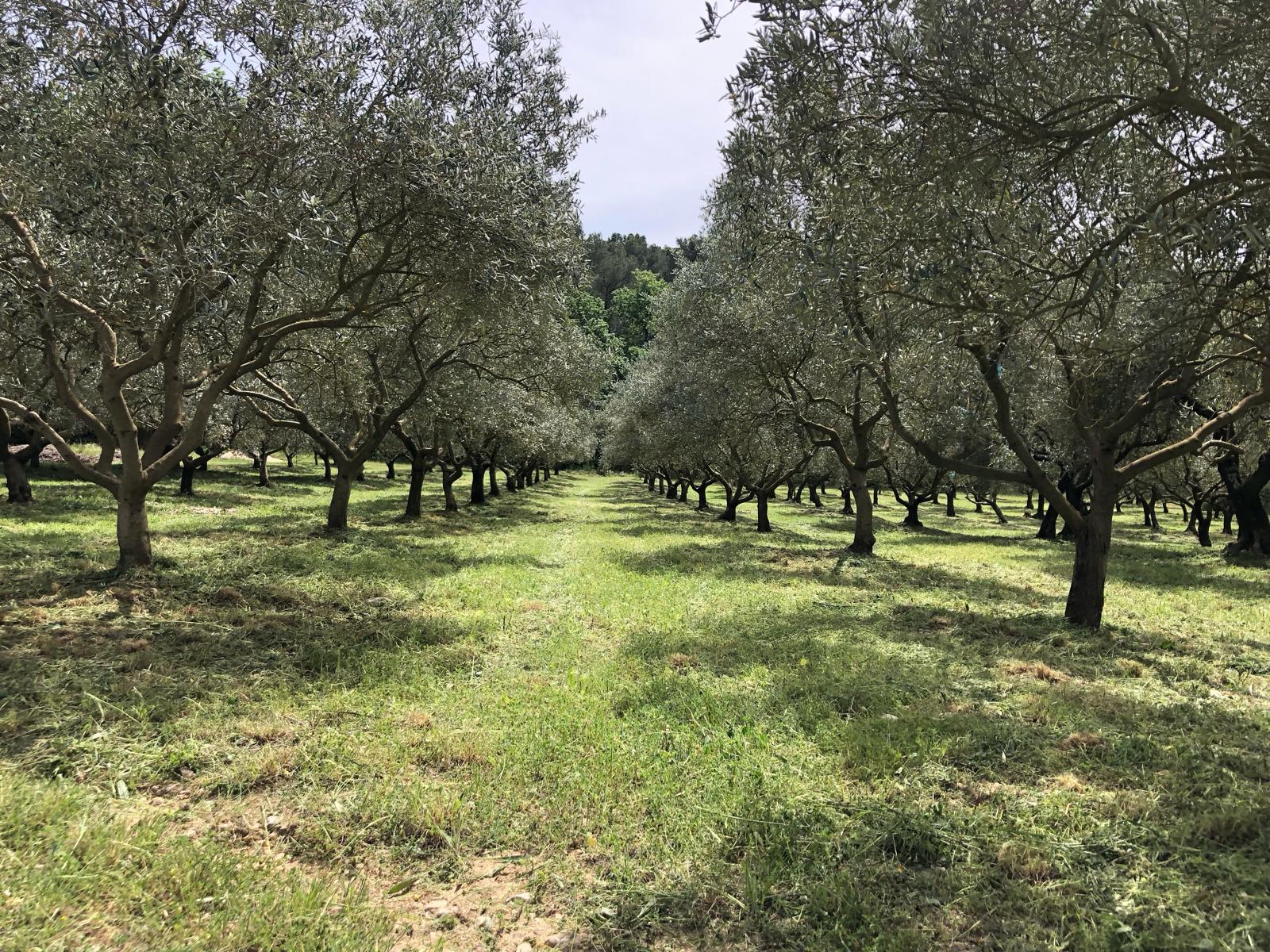
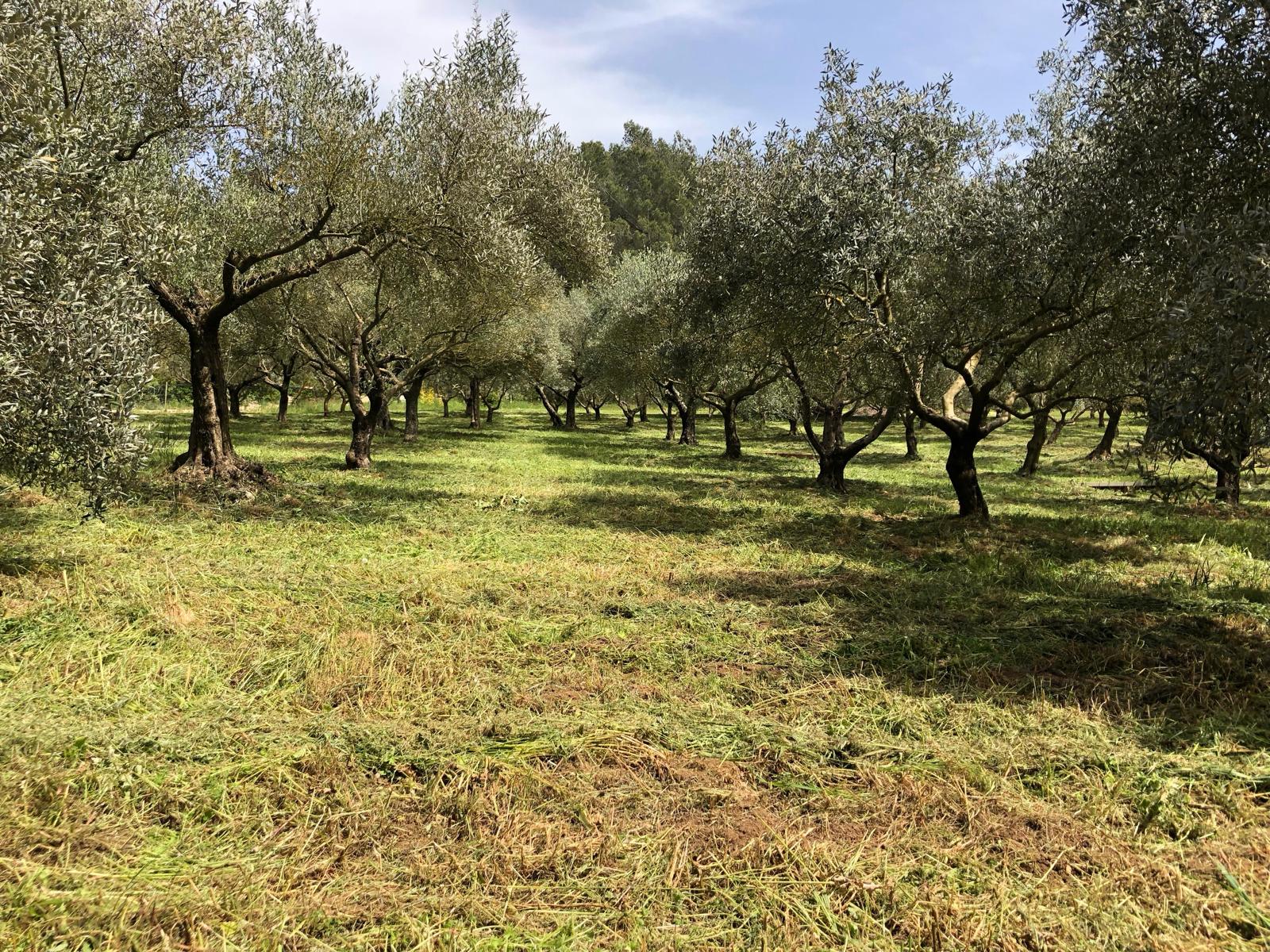
At Domaine de Cugis in southern Provence, extra virgin olive oil is produced on a small, organic family estate surrounded by limestone hills and centuries-old olive trees.
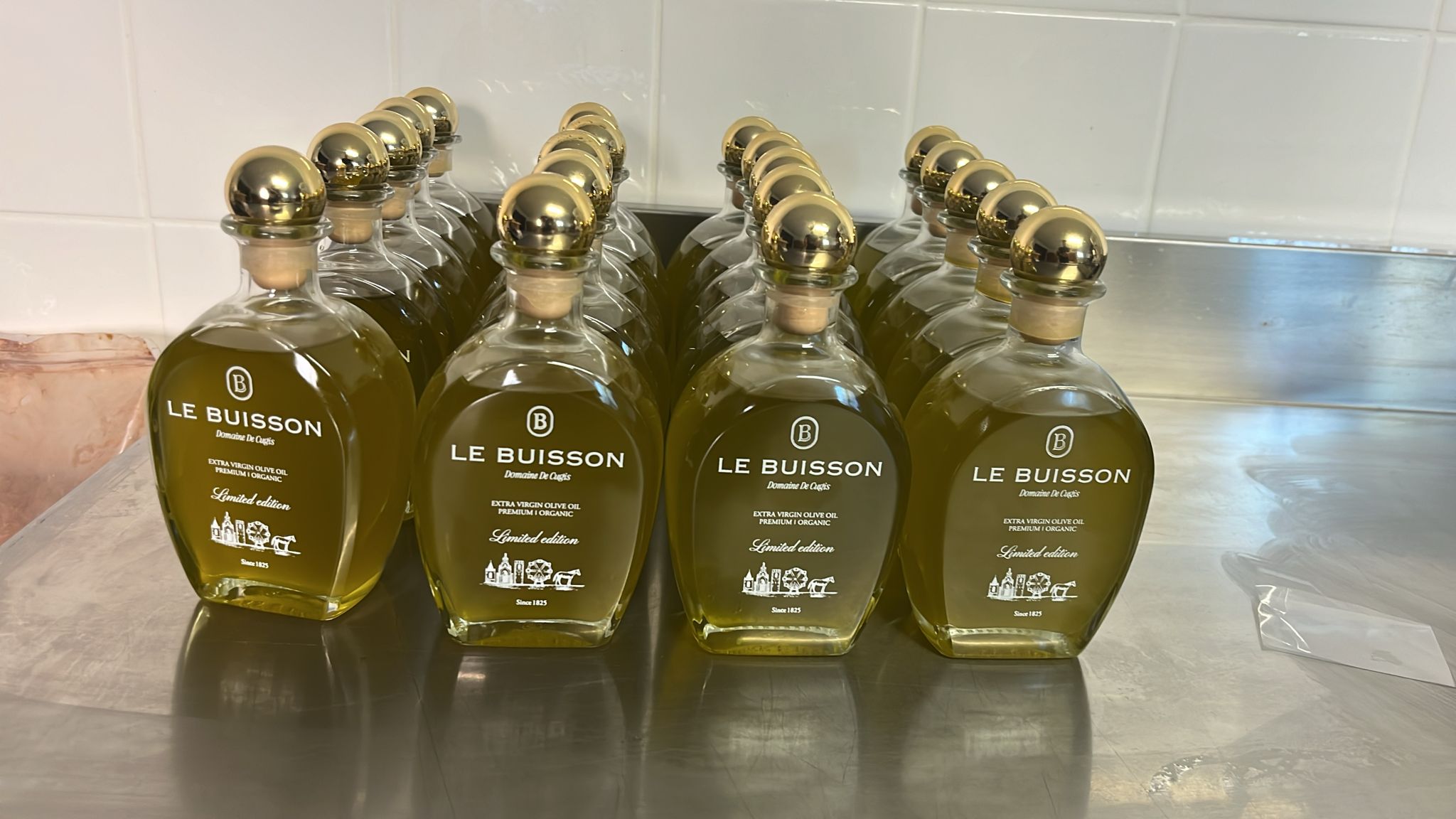
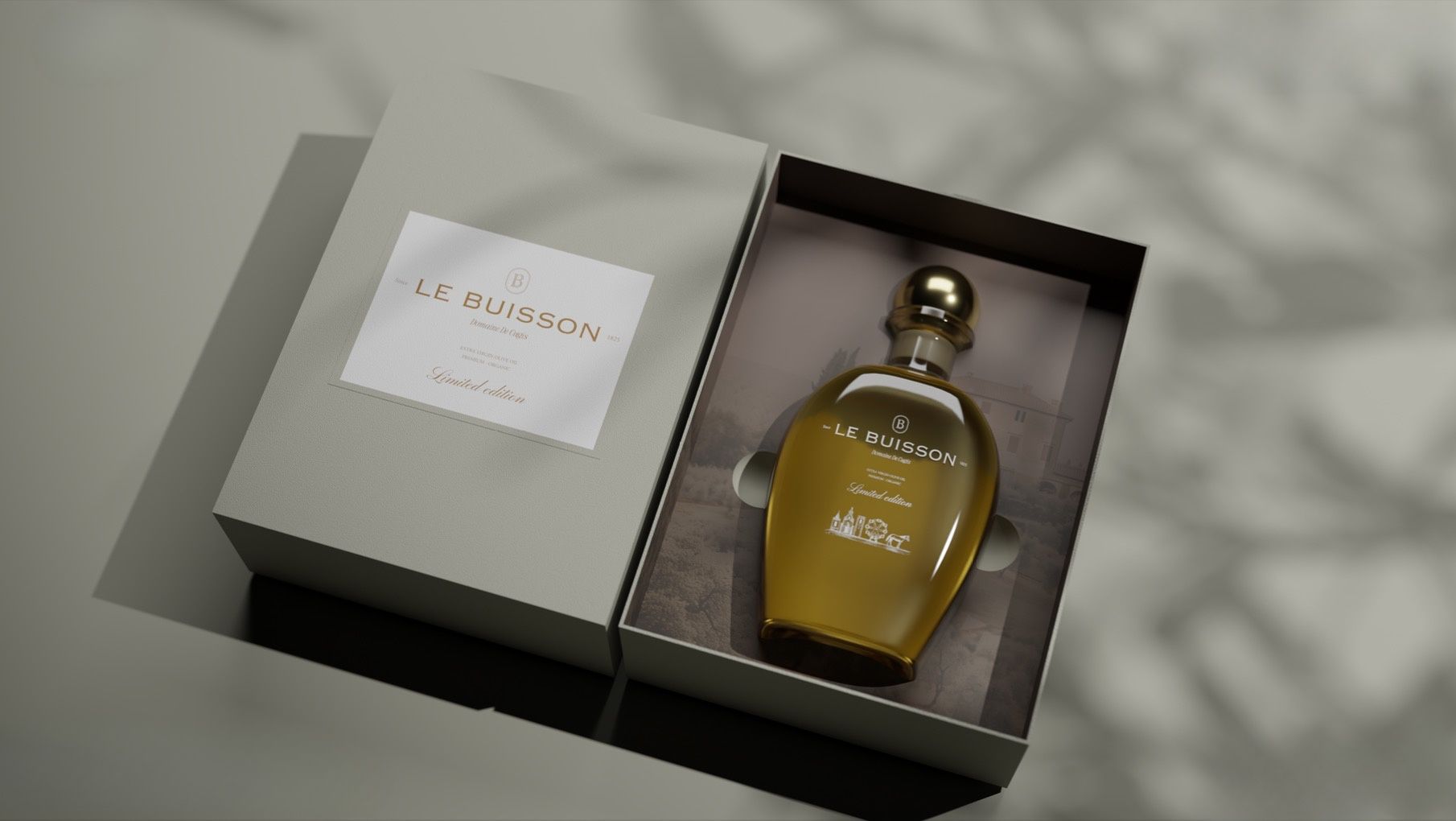
What makes their Le Buisson extra virgin olive oil stand out:
- Certified organic – olives are grown without toxic pesticides, preserving soil health and biodiversity.
- On-site cold pressing – olives are hand-picked and pressed within hours, protecting freshness and aromatic compounds.
- Very low natural acidity (below 0.4%) – significantly below the 0.8% limit for EVOO, a sign of outstanding fruit quality and processing.
- Rich in polyphenols – offering extra antioxidant power and that pleasant peppery note on the finish.
- Award-winning profile – Le Buisson has been recognised at international olive oil competitions, confirming its quality in blind tastings.
Instead of mass production, Domaine de Cugis focuses on small batches that express the terroir of southern Provence: the climate, the limestone soils and the traditional local varieties.
You can explore their organic extra virgin olive oil and gift sets directly at
👉 https://domainedecugis.com/.
6. How to Choose a Truly Good Extra Virgin Olive Oil
When you’re shopping for olive oil – online or offline – use these simple rules:
- Look for “Extra Virgin Olive Oil” on the label
Avoid vague terms such as light, classic, pure or with added EVOO — they usually indicate refined oil with reduced health benefits. - Check origin and producer
Oils from a single estate, region or country are usually more traceable than anonymous blends. Producers that show their exact location (like a named domaine in Provence) are often more transparent about quality. - Find the harvest or production date
Fresher olive oil is better. Ideally, choose bottles from the latest harvest or within the last 12–18 months. - Note the packaging
Dark glass or metal tins protect the oil from light and oxidation. Clear plastic bottles are more likely to contain lower-quality oils. - Trust your senses
At home, smell and taste your extra virgin olive oil:- It should smell clean and fruity.
- Flavours of fresh grass, green almonds or artichoke are positive.
- A slight bitterness and peppery tickle in the throat is a good sign of polyphenols.
If the oil smells flat, waxy or rancid, it may not be genuine or fresh EVOO.
7. Storing Extra Virgin Olive Oil
Even the best extra virgin olive oil can lose its character if stored incorrectly. To keep your Domaine de Cugis oil at its best:
- Store it in a cool, dark place, away from direct sunlight and heat.
- Close the bottle tightly after each use to limit contact with oxygen.
- Enjoy it within a few months after opening for maximum flavour and health benefits. (domainedecugis.com)
Conclusion: Why Extra Virgin Olive Oil Is Worth the Difference
Extra virgin olive oil is much more than just “olive oil”. Thanks to strict standards, gentle mechanical extraction and careful handling of the fruit, it offers:
- A richer, more complex flavour
- Naturally higher levels of antioxidants and healthy fats
- A direct expression of the land and the producer behind each bottle
Regular or refined olive oil can still have its place for high-heat cooking, but when it comes to taste, authenticity and health, premium extra virgin olive oil – especially from organic estates like Domaine de Cugis in Provence – is in a category of its own.