A Guide to Seasons, Methods, and the Excellence of Extra Virgin Olive Oil
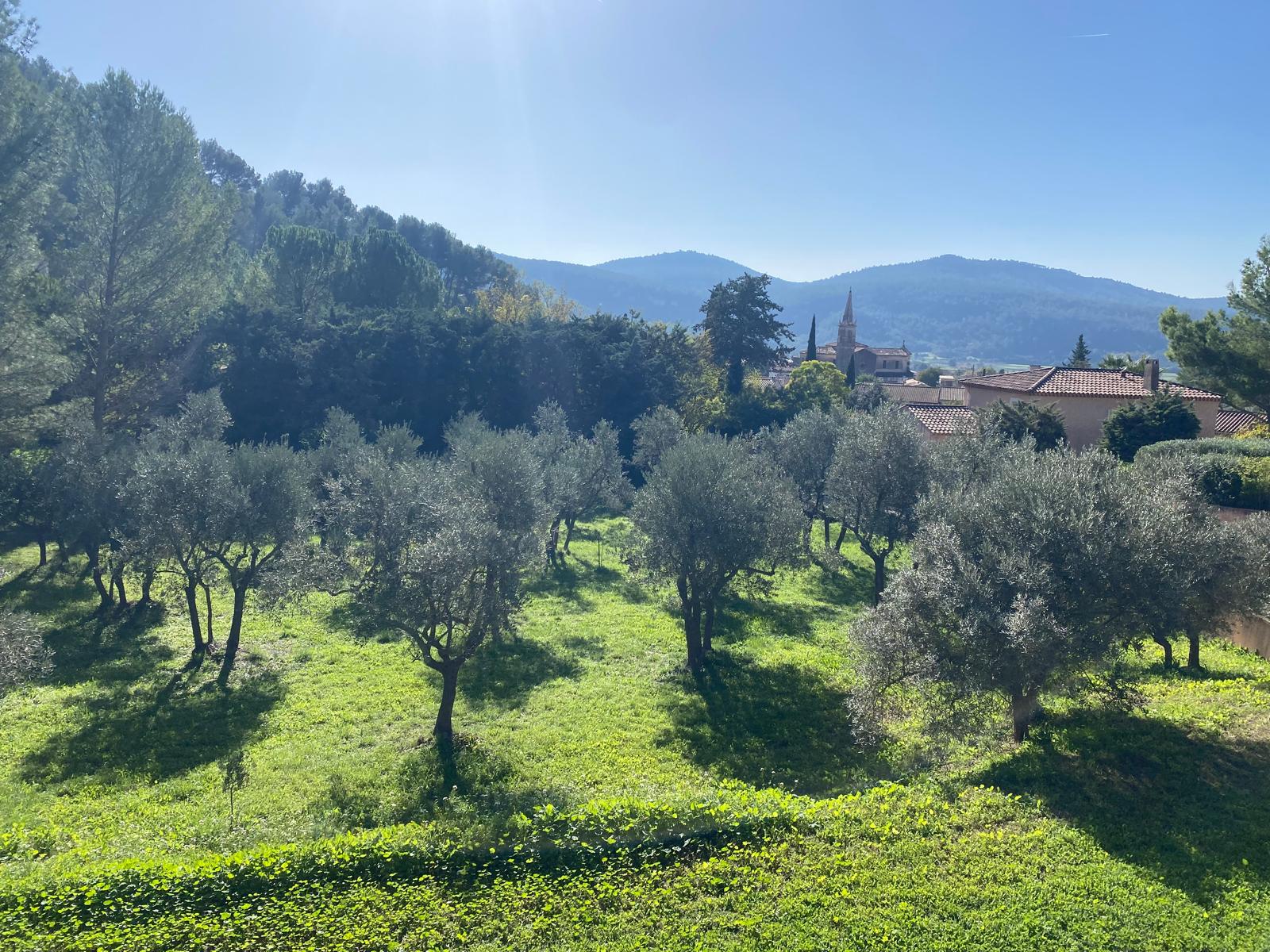
Provence, the sun-drenched heart of southern France, is renowned for its rolling hills, lavender fields, and ancient olive groves that produce some of the world's finest extra virgin olive oil. If you're curious about how olives are harvested here, or why Provençal varieties stand out for their quality and health benefits, this article dives deep into the process. We'll explore the seasonal rhythms, traditional techniques, key differences from other regions, and even spotlight a standout producer where you can buy olive oil that captures the essence of this iconic landscape. Whether you're a food enthusiast or simply looking to incorporate more nutrient-rich ingredients into your diet, understanding olive harvesting in Provence reveals why this region's extra virgin olive oil is a staple in gourmet kitchens worldwide.
When and How Often Are Olives Harvested in Provence?
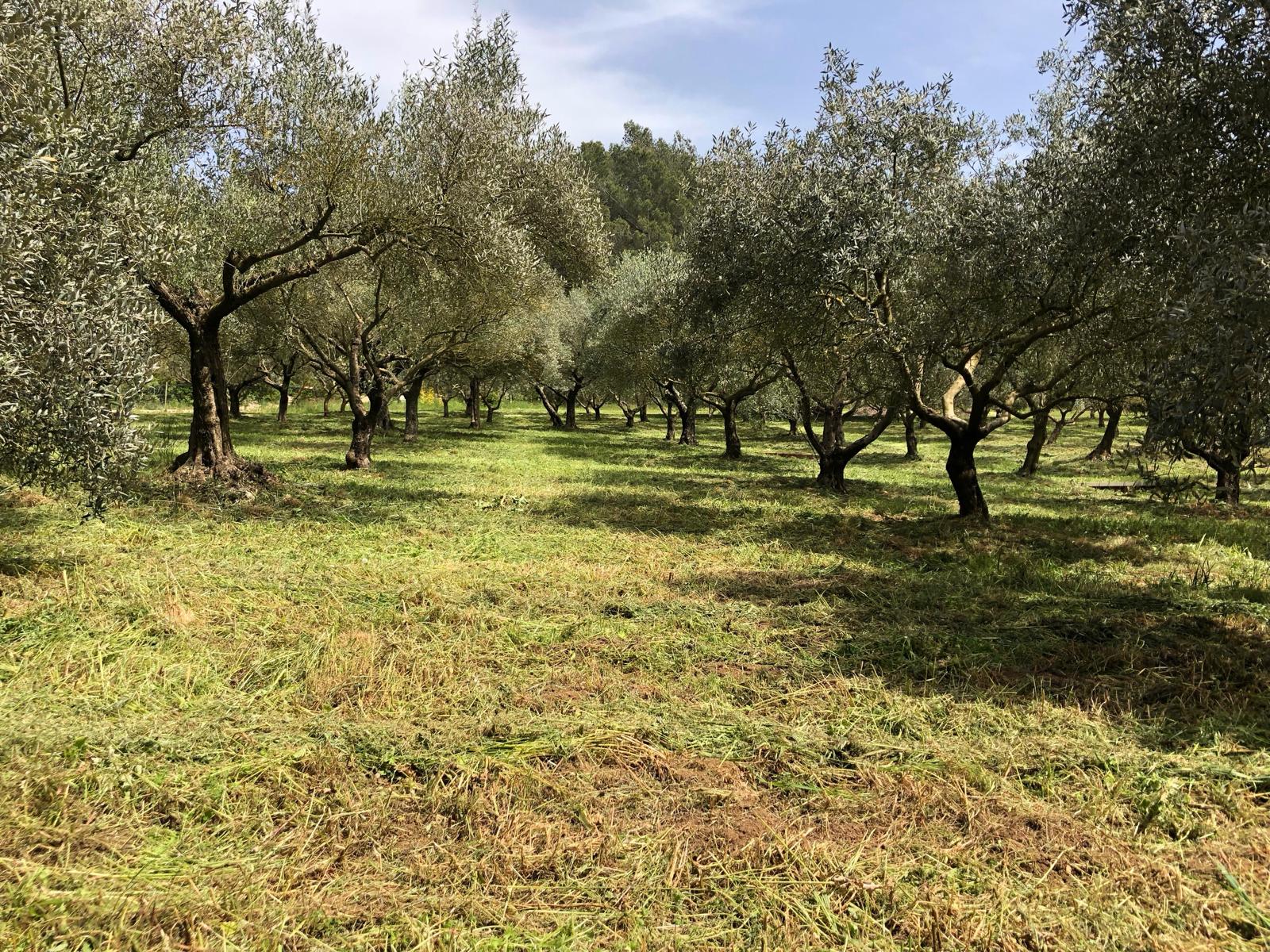
Olive harvesting in Provence aligns closely with the Mediterranean climate, which features hot, dry summers and mild winters—ideal conditions for olive trees to thrive. The primary harvest season runs from late October to mid-December, with some estates extending into early January depending on weather and olive maturity. This timing ensures olives are picked at peak ripeness, balancing flavor intensity with oil yield.
Unlike crops that yield multiple times a year, olives in Provence are harvested just once annually. This single cycle is dictated by the trees' natural growth: olives form in spring, ripen through summer, and reach harvest readiness in autumn. Harvesting too early (green olives) produces robust, peppery oils with high polyphenol content, while a later pick (riper, darker olives) yields milder, fruitier profiles with more oil but potentially fewer antioxidants. In Provence, many producers opt for an early-to-mid season approach to maximize quality, avoiding the risks of over-ripening or frost damage that could compromise the fruit.
This once-a-year rhythm not only preserves the trees' health but also builds anticipation among locals and visitors. If you're planning a trip, November is prime time to witness the harvest firsthand at family-run domaines, where the air fills with the earthy scent of fresh olives.
Traditional Methods of Olive Harvesting in Provence
Harvesting olives in Provence is often a labor of love, blending age-old traditions with careful attention to quality. The process typically begins with assessing ripeness—farmers check color, firmness, and oil content before starting.
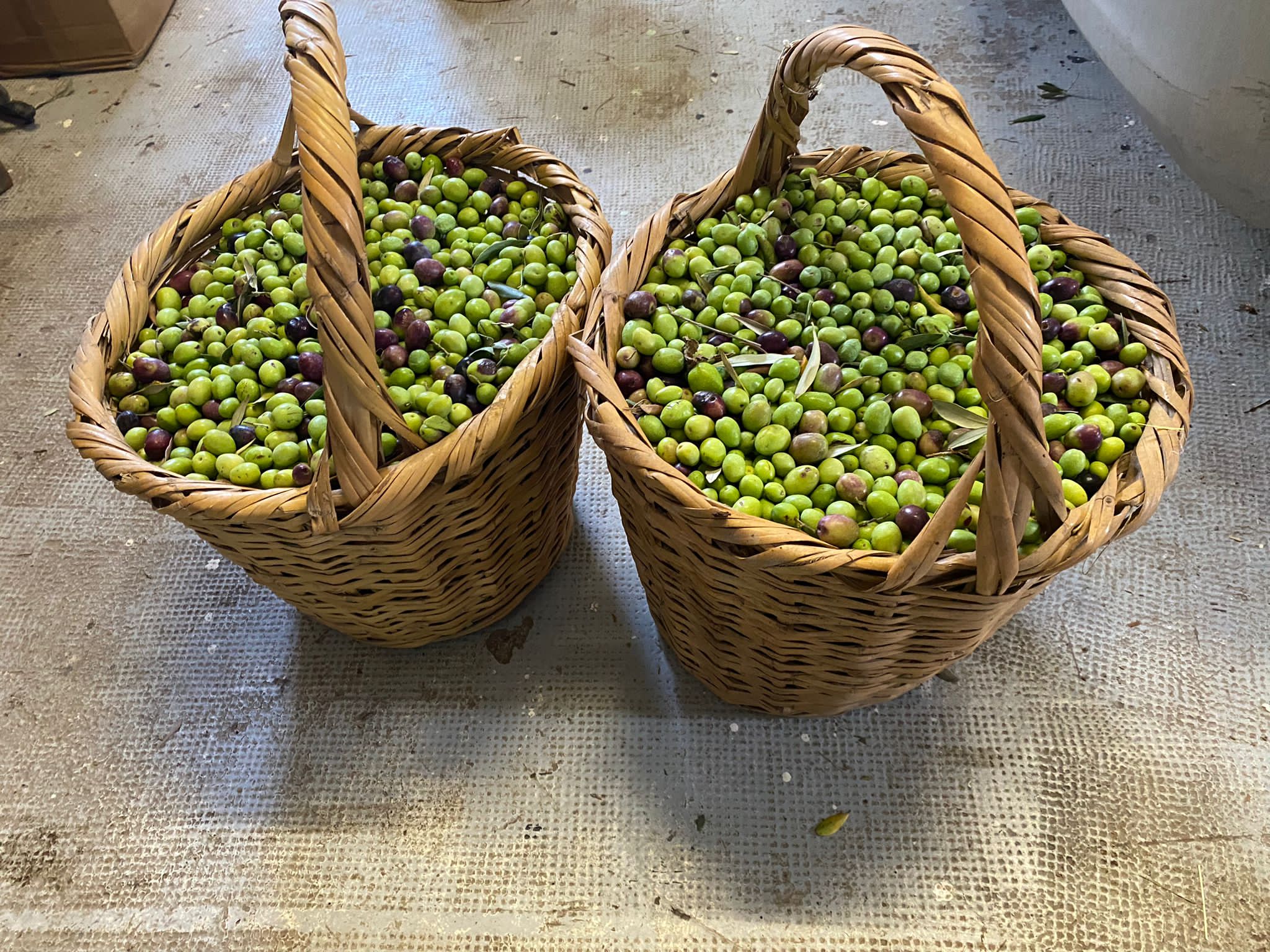
The most common method is hand-picking, especially on smaller, family estates. Workers use long rakes or vibrating combs to gently shake olives from branches onto nets spread below the trees. This manual approach minimizes bruising, which is crucial for producing high-quality extra virgin olive oil, as damaged fruit can lead to fermentation and higher acidity levels. Once collected, olives are sorted to remove leaves and twigs, then transported immediately to on-site mills for pressing—often within hours to lock in freshness.
In contrast, larger operations might employ mechanical shakers or harvesters, which are faster but can be rougher on the fruit and trees. Provence's hilly terrain and emphasis on artisanal production favor the hands-on method, ensuring minimal intervention and superior taste. The difference in methods highlights Provence's commitment to tradition: while mechanical harvesting dominates in flatter regions like parts of Spain or California for efficiency, Provençal growers prioritize quality over quantity, resulting in oils with nuanced flavors that reflect the terroir.
After harvest, olives undergo cold-pressing (below 27°C/80°F) to extract the oil without heat or chemicals, qualifying it as extra virgin—the highest grade. This meticulous process yields about 15-20% oil from the fruit, far less than refined varieties, but with unmatched purity.
Why Are Olives and Olive Oil from Provence Superior?
What sets Provençal olives apart? It starts with the environment. The region's limestone-rich soils, abundant sunshine, and mistral winds create a unique microclimate that stresses the trees just enough to concentrate flavors without overwhelming them. Varieties like Aglandau, Salonenque, and Bouteillan dominate here, producing oils that are elegantly balanced—fruity with hints of almond, artichoke, and grass, yet milder than the bold, peppery profiles of Tuscan or Greek oils.
Compared to other Mediterranean areas, Provençal extra virgin olive oil often has lower acidity (under 0.8%, with top producers achieving below 0.4%) and higher polyphenol levels, thanks to organic practices and minimal pesticide use. Tuscany's oils, for instance, lean toward intensity due to cooler climates and different cultivars, while Spanish varieties might emphasize volume from vast monocultures. In Provence, the focus on small-scale, sustainable farming—many estates are organic—enhances biodiversity and soil health, leading to oils that are not just tastier but more environmentally friendly.
This superiority isn't just anecdotal; Provençal oils frequently earn AOP (Appellation d'Origine Protégée) certifications, guaranteeing authenticity and quality. The result? A product that elevates everyday cooking, from drizzling over salads to finishing grilled vegetables.
The Health Benefits of Provençal Extra Virgin Olive Oil
Beyond its culinary appeal, extra virgin olive oil from Provence is a powerhouse of nutrition. Rich in monounsaturated fats like oleic acid, it supports heart health by reducing bad cholesterol (LDL) and inflammation. High polyphenol content acts as potent antioxidants, combating oxidative stress and potentially lowering risks of chronic diseases such as diabetes and certain cancers.
Studies highlight its role in the Mediterranean diet, linked to longevity and better cognitive function. Provençal varieties, with their early-harvest emphasis, often boast elevated levels of these compounds—up to 500 mg/kg—plus vitamins E and K for skin health and immune support. Unlike refined oils, extra virgin retains these benefits intact, making it a smart choice for daily use. Just 1-2 tablespoons a day can contribute to weight management, improved digestion, and even anti-aging effects through its anti-inflammatory properties.
To maximize benefits, store your oil in a cool, dark place and use it within 18-24 months of harvest—the fresher, the better.
Spotlight on Domaine de Cugis: Where Tradition Meets Excellence
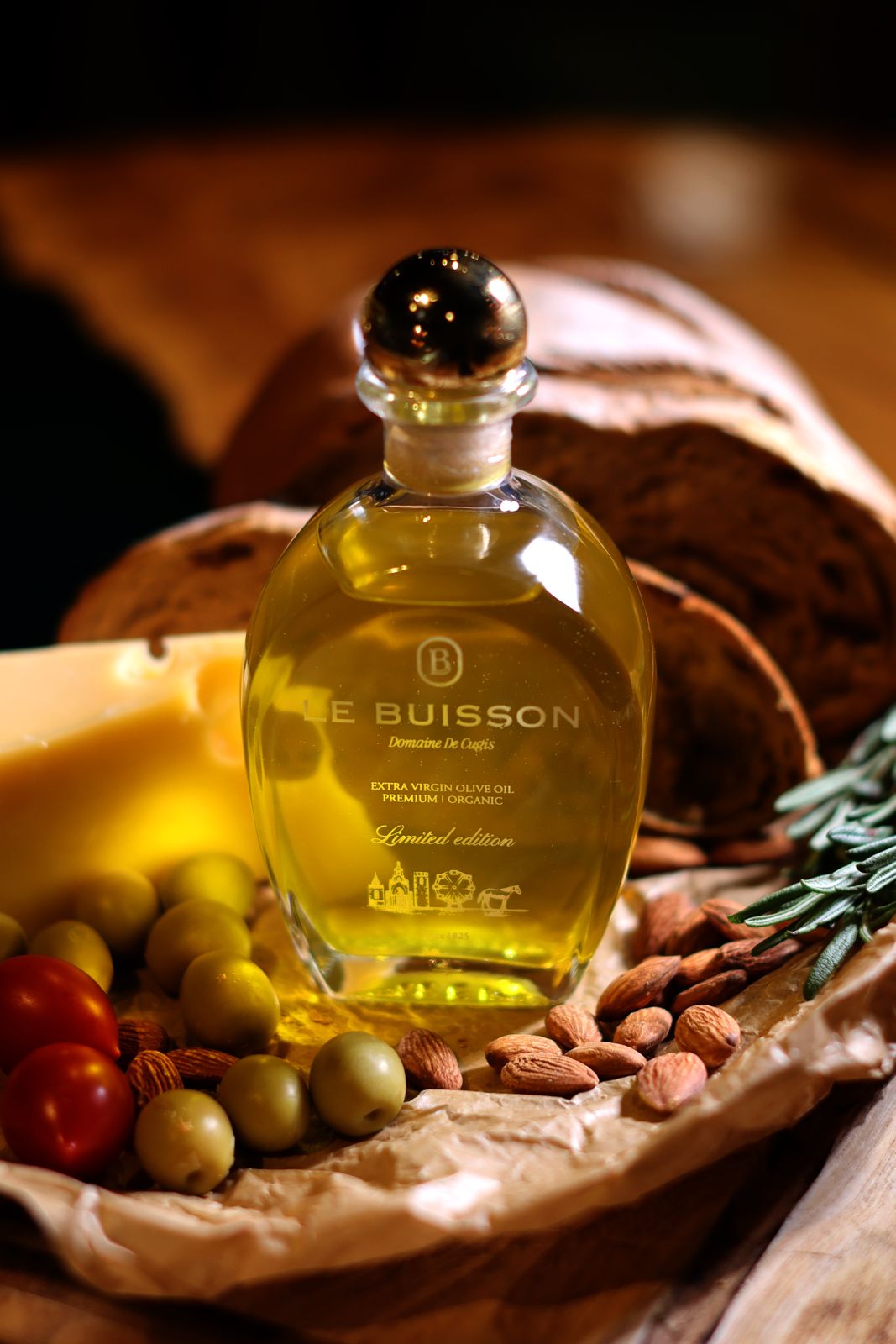
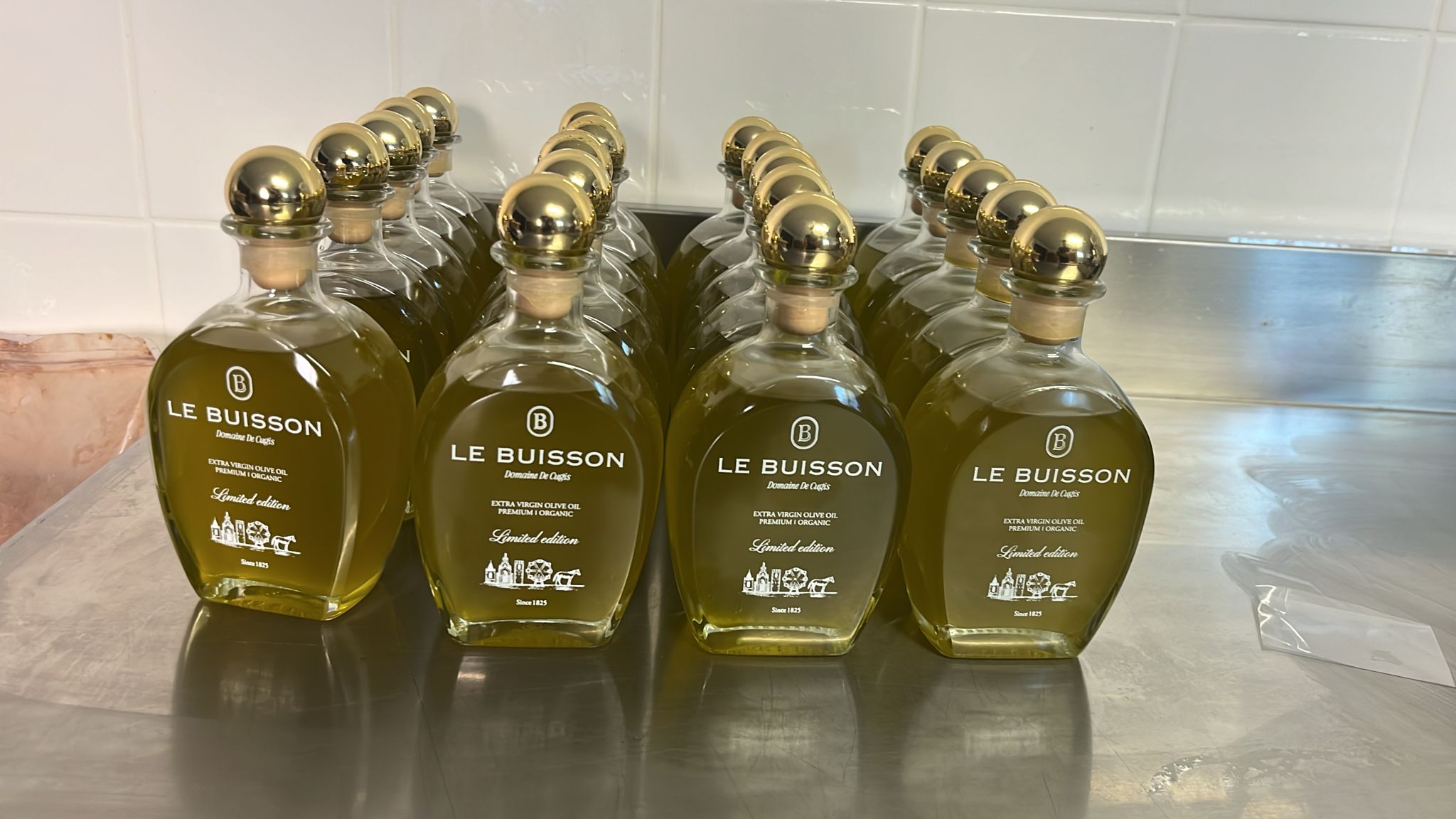
For a taste of authentic Provençal excellence, look no further than Domaine de Cugis, a family-owned organic estate nestled in southern Provence's limestone hills. Spanning two hectares of ancient olive groves, this generational domaine produces Le Buisson extra virgin olive oil using hand-picked Aglandau and Salonenque olives, pressed on-site within hours for unparalleled freshness.
What makes their oil special? It's certified organic (FR-BIO-16), cold-pressed with acidity under 0.4%, and bursting with polyphenols for robust health benefits. The flavor is harmoniously fruity and versatile, perfect for everything from raw dressings to high-heat cooking. Award-winning and free from toxic pesticides, it embodies the pure essence of Provence's terroir.
If you're ready to buy olive oil that supports sustainable farming and delivers premium quality, visit https://domainedecugis.com. Our online store offers 250ml (€26.95) and 500ml (€38.95) bottles, plus gift sets—secure payment and shipping make it easy to bring a piece of Provence home. Whether for personal use or gifting, Domaine de Cugis exemplifies why extra virgin olive oil from this region is worth seeking out.
In summary, olive harvesting in Provence is a seasonal celebration of nature's bounty, yielding oils that are superior in flavor, quality, and health perks. By choosing authentic producers like Domaine de Cugis, you're not just buying olive oil—you're investing in tradition and well-being. Explore more, and let the golden elixir of Provence transform your table.