Extra virgin olive oil (EVOO) is celebrated worldwide for its rich flavor, health benefits, and culinary versatility. However, the market includes a range of products, and some may not meet the highest standards due to variations in production. This can affect taste and nutrition. If you're looking to buy olive oil that's truly extra virgin, arming yourself with knowledge is key. In this guide, we'll break down practical ways to distinguish high-quality options, drawing on expert insights and simple checks. Plus, we'll spotlight Domaine de Cugis, a family-owned plantation in Provence, France, where authenticity is guaranteed through transparent, organic practices—making it a reliable choice for discerning buyers.
Understanding the Basics: What Makes Extra Virgin Olive Oil "Extra Virgin"?
To identify quality, start with the definition. Extra virgin olive oil is the highest grade, extracted solely through mechanical means (cold-pressing) without chemicals or excessive heat. It must have acidity below 0.8% and pass sensory tests for defects. Lower-quality options might not adhere to these standards, so focusing on verified products ensures you get the full benefits. Industry standards emphasize that genuine EVOO maintains its natural properties, highlighting the importance of informed selection when you buy extra virgin olive oil.
Key Checks to Verify Authenticity
Here are actionable steps to spot genuine EVOO, focusing on labels, sensory evaluation, and more:
1. Scrutinize Certifications and Labels
Look for official seals that guarantee origin and quality. Certifications like AOP (Appellation d'Origine Protégée) or PDO (Protected Designation of Origin) indicate the oil comes from a specific region with strict production rules, such as Provence in France. Organic labels (e.g., EU Organic or FR-BIO) ensure no pesticides or synthetic fertilizers were used. Avoid vague claims like "imported from Italy"—genuine producers specify exact origins, harvest dates, and varietals (e.g., Aglandau or Salonenque olives).
Tip: Scan for third-party testing seals from bodies like the International Olive Council (IOC) or USDA Organic. If it's missing these, it might be a red flag.
2. Taste and Smell for Freshness
Authentic EVOO should evoke fresh olives—fruity aromas with notes of grass, apple, or almond, followed by a peppery bite or slight bitterness in the throat (from beneficial polyphenols). Subpar options might lack this complexity.
How to test: Pour a small amount into a glass, warm it slightly with your hands, and inhale. Then sip and let it coat your mouth. If it's greasy or lacks pungency, it may not be at peak quality. Remember, high-quality EVOO isn't always mild; that "throat tickle" signals antioxidants.
3. Check Acidity and Chemical Markers
True EVOO has free fatty acid levels under 0.8%—premium ones dip below 0.4%. Reputable brands list this on labels or websites. For deeper verification, consider lab tests (available online for samples), which measure peroxide values (should be low to avoid oxidation) and UV absorbance for quality assurance.
Pro tip: Avoid oils labeled "light" or "pure"—these are refined and lack EVOO's benefits.
4. Examine Packaging and Price
Genuine EVOO comes in dark glass or tins to protect from light-induced spoilage—clear plastic bottles are a no-go. Check for a harvest date (not just bottling); fresh oil is from the last 1-2 seasons. Price is a clue: Premium options reflect careful production, typically ranging from €10-15 per liter or more for artisanal varieties.
5. Research the Producer
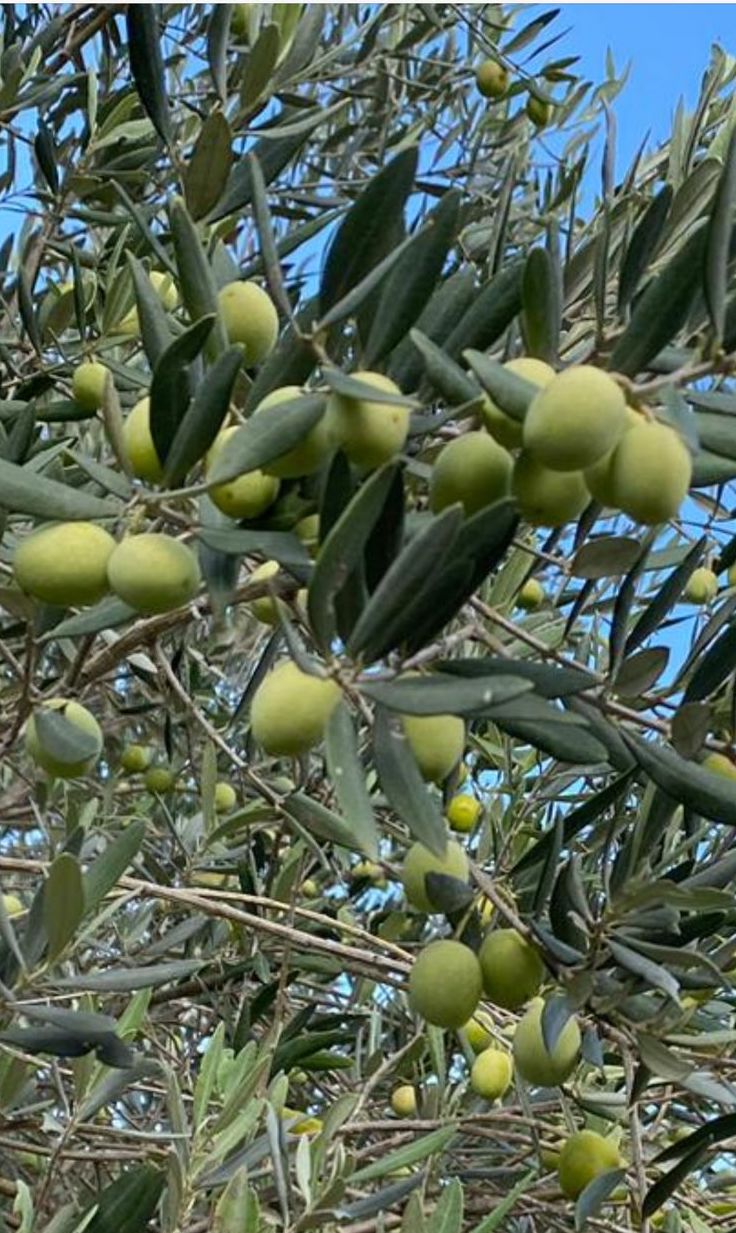
Traceability is crucial. Look up the estate or mill—authentic ones share their story online. For instance, Domaine de Cugis is a prime example of unwavering integrity. This family-run plantation in the limestone hills of southern Provence spans two hectares of ancient olive groves, cultivating organic Aglandau and Salonenque olives without compromise. Certified FR-BIO-16, their Le Buisson EVOO is hand-harvested, cold-pressed on-site within hours, and boasts acidity under 0.4% with high polyphenol content. Buying from Domaine de Cugis means 100% genuine Provençal oil—direct from the source, free from middlemen or adulteration. Their transparent process, from grove to bottle, ensures you're getting unadulterated excellence every time.
Common Pitfalls and Additional Tips
- Shopping Considerations: When browsing various retailers, prioritize brands with detailed traceability. Single-estate varieties often provide clear information about their origins and methods.
- Home Tests: While not foolproof, refrigerate a sample—real EVOO may solidify slightly due to monounsaturated fats, but others might behave differently.
- Health Angle: Genuine EVOO is packed with heart-healthy oleic acid and anti-inflammatory compounds. Choosing verified options maximizes these benefits, like reduced cholesterol and better digestion.
- Where to Buy: Stick to trusted sources like producer websites. At https://domainedecugis.com/, you can confidently buy extra virgin olive oil knowing it's authentic, with options like 500ml bottles (€38.95) shipped securely.
By applying these checks, you'll select quality options and savor the real thing. Remember, investing in verified products pays off in flavor and wellness. For ultimate peace of mind, choose estates like Domaine de Cugis—where Provence's heritage meets modern assurance.